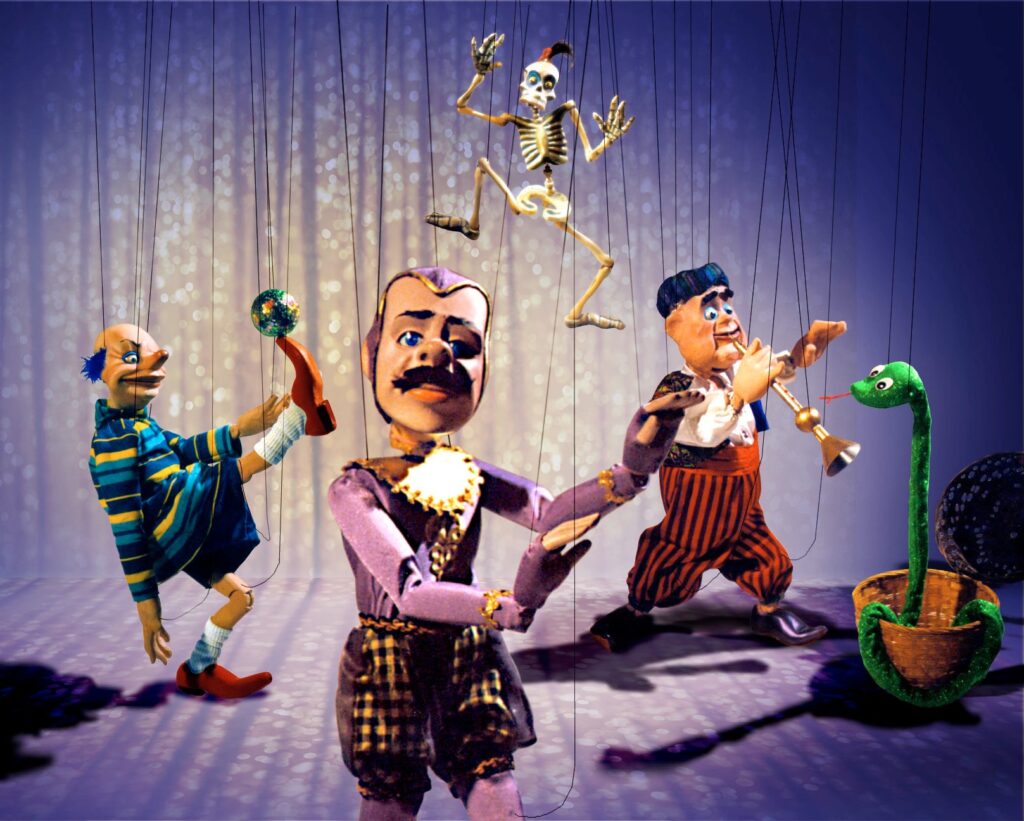
I have grown weary of revisiting this topic, having already devoted considerable attention to it in my previous writings and publications in the Human-Animal Science. I don’t intend to comment on it further. Nevertheless, I feel compelled to acknowledge the ongoing relevance of this issue, which continues to affect the integrity of scientific inquiry and the welfare of animals despite the relative scarcity of voices speaking out against this current “madness.”
In recent years, some scientists and dog trainers have aligned themselves with ideologies, prioritizing belief over empirical evidence. These well-intentioned individuals may not realize they act as “useful idiots” for specific ideological movements, inadvertently undermining the very foundations of their fields when promoting theories and practices that lack rigorous scientific backing. For instance, some researchers publish papers that are heavily influenced by subjective interpretations and cognitive biases, resulting in conclusions that lack robust scientific support. This results in misleading information that shapes public perception and policy without a solid foundation in reality, especially given the current tendency to omit biases or conflicts of interest. There is also a failure to disclose financial or other ties to organizations that promote specific ideologies or training methods, undermining the credibility of their work and misleading the audience who rely on this research to make informed decisions.
Certain scientists may support ideologies that reject critical scrutiny, prioritizing social acceptance over objective research, as I showed in my book about popular “training methods” studies. It manifests in promoting concepts like “scientific consensus” without acknowledging the importance of dissenting voices and rigorous debate, which are essential for advancing knowledge. Additionally, some scientists develop ethical frameworks based solely on theoretical constructs, often neglecting to incorporate practical evidence from real-world applications. These frameworks may appear appealing in theory, but they fail to address the complexities of actual practice, resulting in standard recommendations that can be impractical or even harmful to the dogs. This disconnect between theory and real-world practice can perpetuate ineffective, limited methods in animal training, leading to negligence and other outcomes enabled by those who remain unpunished for the consequences of their work.
Then, we have the “influencers,” which I consider one of this century’s most embarrassing labels. You quickly recognize these individuals who prioritize sensationalism over substance, engaging in ad hominem attacks, promoting clickbait content, and trolling their opponents rather than contributing meaningfully to their fields. This behavior creates a toxic environment where a necessary dialogue is overshadowed by inflammatory rhetoric. Consequently, the public is frequently left with a distorted understanding of critical issues, as these influencers focus on garnering attention rather than promoting informed discussion, reducing debate to immature, infantile TikTok exchanges. I wonder how they can do any work in practice if they spend their day on social media.
Organizations and associations are also in a precarious position, often held hostage by sponsorships and affiliations. In their quest for funding and support, they may resort to populist tactics, diluting their scientific messaging to appeal to broader audiences. This compromises their ability to advocate for “evidence-based practices,” as they prioritize their sponsors’ interests over the animals’ welfare and research integrity.
Another concerning trend is a subset of scientists who, despite promoting ideologies that contribute to public confusion, now advocate open discussion and debate. However, their calls for dialogue often belie a subtle promotion of their ideological agendas, which they present under the guise of neutrality. This duplicity can be misleading, as their professed commitment to open discussion may mask a deeper allegiance to specific beliefs rather than a genuine pursuit of understanding. Such behavior erodes the credibility of scientific inquiry and perpetuates the confusion it purports to address.
Aligning ideology with science misleads and confuses the general public, including dog owners and enthusiasts, and risks compromising the progress in understanding animal behavior and their individual welfare needs. The pressure to conform to popular ideologies limits innovation and critical thinking, further entrenching negligent practices. In such environments, effective practices may be sidelined in favor of appealing to the masses, resulting in a continuous decadence of scientific rigor.
Pursuing objective knowledge and rejecting such narratives are necessary steps for advancing our understanding of animal behavior and welfare. This requires a commitment to upholding the principles of rigorous inquiry and transparency. These paradigm changes are the only way, at the moment, to ensure that dog owners and the general public receive accurate and reliable information. This will ultimately benefit the animals and advance our objective understanding of their behavior through an adapted, realistic approach to these subjects.
——
* A “useful idiot” refers to someone being used or manipulated and unintentionally supporting and legitimating a particular ideology or agenda, often without fully understanding its implications.
Comments are not enabled on posts. To discuss an author’s post, you can reply directly to the email you receive if you are subscribed, or contact the author directly by clicking here.